
Life at seabrook waterfront by the water isn’t just about pretty sights or stepping onto a dock. A home beside the waves brings something different - part adventure, part calm, part smart choice over time. For those who sail, cast a line, host friends, or sit still while dusk paints the sky, the buildings out back make it possible. Because without them, the moment feels incomplete.
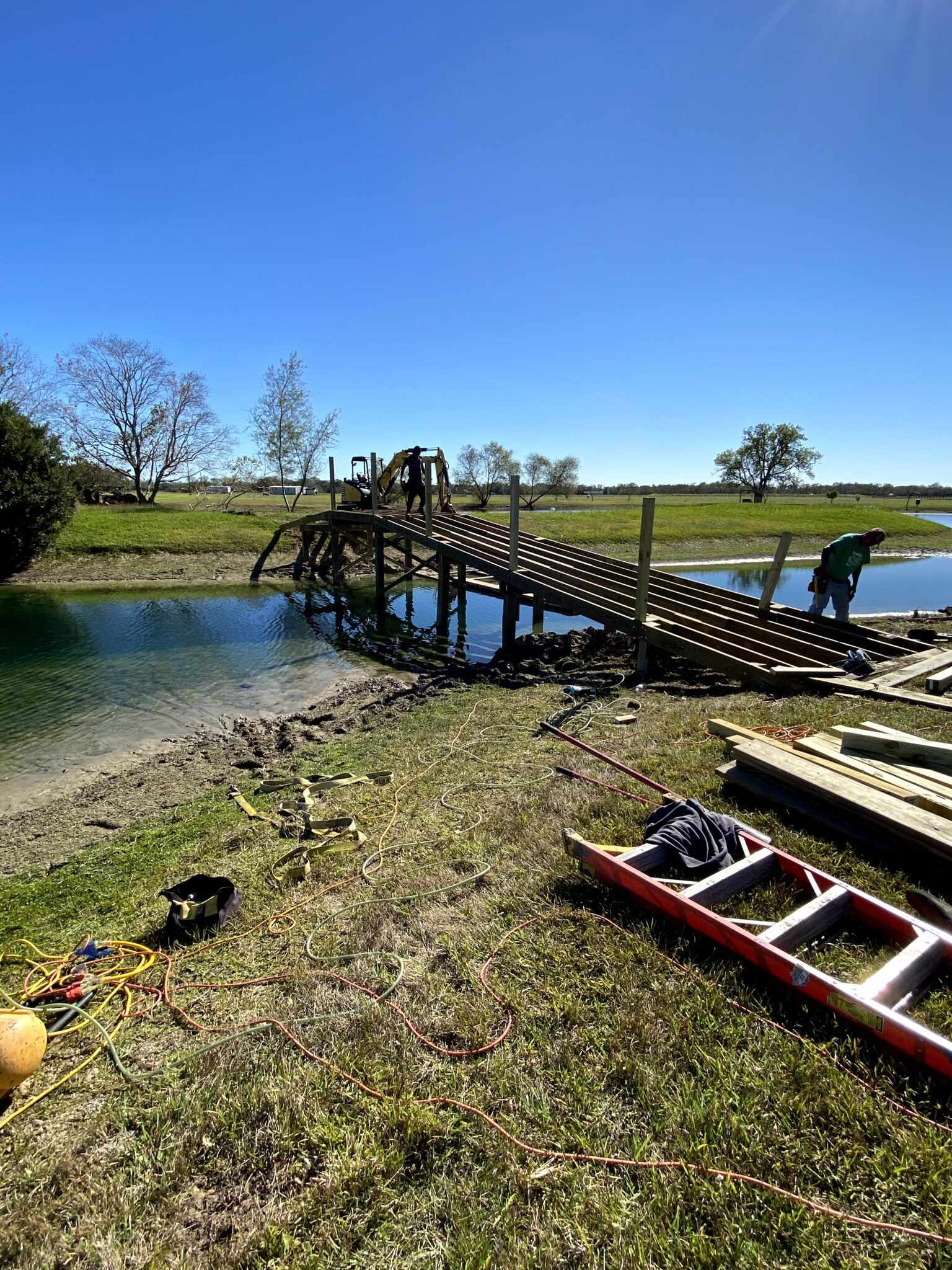
Still, having waterfront property also means you take on a few responsibilities, exposure to the water, the weather, and even just routine day to day use can slowly wear down docks, boat lifts, and the shoreline structures. If you put money into proper upkeep, handle repairs when they are needed, and plan smart upgrades you end up protecting the place better, while also getting the most out of that waterfront lifestyle.
Waterfront Infrastructure Why It Matters
A place where people step from solid ground into boats usually gets plenty of use near lakes or rivers. This structure links earth and open water, offering entry points for fishing, swimming, or simply sitting above the current. While some just walk across it, others tie up vessels here daily. From sunrise dips to evening casts, movement happens where wood meets waves.
Quality dock construction is one of the most important pieces in the overall waterfront durability picture. A dock that’s been well built tends to handle shifting weather just fine, with those kinds of fluctuating water levels, plus the constant everyday traffic and use. In other words it's less about luck, more about the build choices.
Building for Long-Term Performance
Waterfront strength often depends on how carefully a dock is built. Built right, it handles shifting seasons, waves that rise and fall, also regular foot traffic without failing.
A dock today might bend along a rocky edge or stretch into calm coves, shaped by how the land dips and what people plan to do there. When launching boats matters, when casting lines at dusk draws folks in, even when kids just want steps into the water - how it's built makes all the difference down the road.
Built to last, tough materials paired with skilled labor tend to cut upkeep needs while boosting lifespan. A solid foundation today means fewer headaches tomorrow when things hold strong under daily wear.

Boat Lifts For Waterfront Properties
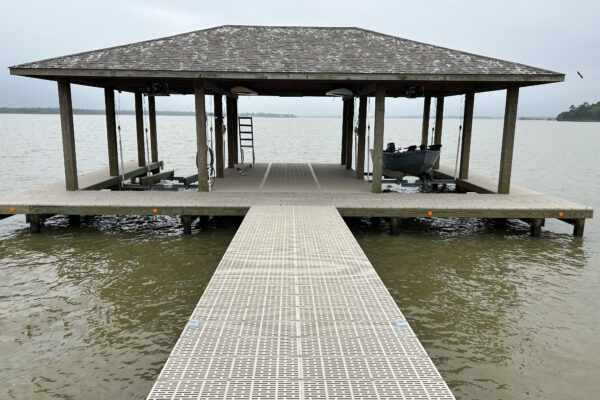
Besides boosting ease of access, folks near the seabrook waterfront often go for boat lifts to keep their craft safer. Stuck too long in saltwater, boats risk gunk on the underside, rust eating at metal bits, plus slow damage to the outer shell.
When boats sit idle, trouble often follows. Yet lifting them clear of the water tackles many common problems. Protection comes first - but that is only part of it. Instead of struggling at the dock, owners find smoother access each time they head out. Storing a vessel becomes less hassle too, thanks to steady support above the waves. Efficiency creeps in where effort once ruled every launch.
A lift might just top the list for folks who spend lots of time on the water with their boats. What starts as a convenience often turns into something hard to imagine doing without.
Boat Dock Lift Repair Matters
Every piece of machinery needs care now and then. Moisture sneaks in, parts get used - cables stretch, motors slow, switches flicker, pulleys lose grip. Time chips away quietly when water meets motion.
Scheduling a boat dock lift repair at the first sign of trouble helps avoid bigger mechanical failures later on. When there are unusual noises, uneven lifting, sluggish operation, or you can see cable wear happening, those are the usual clues that some service might be in order. Doing regular checks and fixing things early not only stretches the life of the lift itself but also helps guard the boat it carries, which is kinda the point right there.
Signs Your Dock Might Need Work
Little issues at the dock often grow slowly, slipping past attention until harm piles up. Spotting hints early means less hassle later.
Common indicators include:
Loose or unstable decking
Rusted or corroded hardware
Leaning support posts
Cracked boards
Structural movement
Damaged handrails
A solid fix for your dock starts with spotting trouble early. When repairs happen on time, stability stays strong. Problems tend to grow if left alone, yet regular checks keep things sound. Safety improves when weak spots get attention. Function follows form - so upkeep matters just as much as build quality.
Floating Dock Maintenance Matters Over Time
When water moves up or down, these docks move too. That means access stays steady even when levels shift. Built to float, they adjust without extra effort. Their motion matches nature’s rhythm all year long.
However, regular floating dock maintenance is essential for ensuring long-term reliability. Look at the parts that keep it buoyant, every now and then. Connection spots need attention too, since stress builds there over time. Worn bolts or fasteners should be swapped out before they fail. Stability checks help catch issues before they grow worse.
A well-kept dock tends to avoid expensive fixes while still keeping everyone who uses it out of harm’s way. Safety stays high when care is consistent, not left until problems show up.
The Worth of Fixing Up Old Boat Docks
When older docks keep their base solid, upgrades often make sense. Restoration work steps in where updates are needed instead of full replacements.
Older docks get new life through updates like swapping worn parts, modernizing structural supports, boosting safety measures - sometimes even just freshening how things look. When people want what a newer model offers but aren’t ready to pay for an entire rebuild, restoration becomes the go-to path.
Waterfront spots often look better once someone fixes up the old dock. Fixing it means people can actually use the space again. The whole thing tends to last much longer after repairs too.
Keeping Property Value with Regular Care
Most people looking at lakeside homes care about how well things like docks are kept. A spot to tie up a boat can make or break what someone will pay. What stands out to future owners isn’t just the house - it’s whether they can reach the water easily.
Besides keeping things functional, looking after docks, lifts, and waterfront features slowly builds long-term worth. A steady routine of care tells buyers someone paid attention, which softens worries about hidden fixes down the road.
Picture this: keeping the shoreline in good shape pays off when you’re staying long term. Those who want to pass the house on later find it wise to care for the water's edge now. Staying ahead of erosion today means fewer headaches down the road. Looking after docks, plants, and access points simply adds up over time. Future buyers notice these details, whether they say so or not. Simply put, steady attention brings quiet rewards.
Frequently Asked Questions
1. How often should a boat lift be serviced?
Every year, most boat lifts need a checkup plus servicing. When storms hit hard, another look makes sense soon afterward.
2. What are the benefits of boat dock restoration?
Restoring a boat dock often costs less than building a new one. Safety gets better when worn parts are fixed. Looks improve once damaged wood or metal is replaced. Old docks last years longer after careful repair work. Some projects finish faster than full rebuilds too.
3. Why is floating dock maintenance necessary?
A well-kept floating dock stays steady on the water. When upkeep is regular, parts that hold it together last longer. Tiny problems rarely grow worse if checked early. Water wear slows when care happens often.
4. When should I schedule lake dock repair?
When loose boards show up, get the lake dock fixed right away. Structural shifts mean it is time to act without delay. Corrosion appears? That calls for quick attention too. Any sign of wear means waiting is not wise. Fixing things early keeps worse problems away.


Write a comment ...