
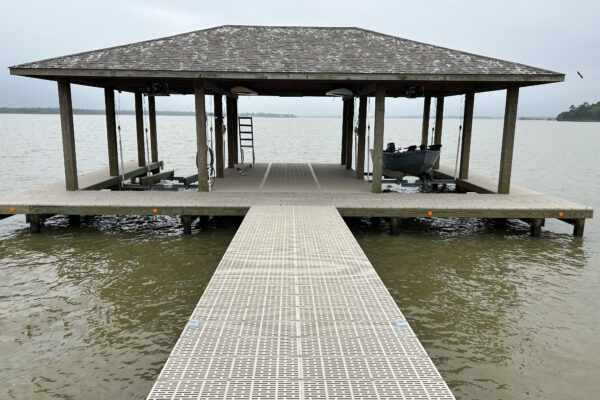
Building a boathouse is an investment in preserving your valuable asset and improving your waterfront property—not only a basic cover for your watercraft. Whether you have a small recreational boat or a bigger vessel, a well-built boathouse protects from weather conditions, stops damage, and may even raise the general worth of your property. To guarantee durability, safety, and long-term performance, boat house construction does, however, call for careful design and attention to several important structural issues. The key elements that have to be considered to design a boathouse that will last throughout time will be discussed on this blog.
Recognising the Site Conditions and Environment
Understanding the environmental conditions and the site where the construction of a boathouse will take place is among the earliest and most important components of boathouse building. In colder climates, waterfront sites provide special difficulties including changing water levels, wave activity, wind loads, and possible ice damage. Designing a boathouse foundation and framework that can resist such conditions is absolutely essential since these natural forces can cause great pressure on the structure. In tidal areas or lakes with seasonal water level fluctuations, for instance, adding floating or adjustable foundations could be required to prevent damage and keep functionality year-round.
Furthermore affecting the foundation decision will be the type of soil and stability at the shoreline. To guarantee the boathouse stays steady and safe, soft, sandy, or silky soils call for deeper pilings or strengthened footings. Early in the planning process, involving a structural engineer can provide insightful analysis of the suitable foundation system depending on extensive site analysis. Correctly handling environmental elements guarantees the boathouse will not only survive but flourish under natural pressures.
Longevity and Resistance Material Selection:
Boat house building depends mostly on selecting appropriate materials since these ones have to withstand the consequences of moisture, UV exposure, salt (in marine environments), and temperature extremes. Boathouses have favored traditional wood since it is naturally beautiful and workable. Untreated or improperly kept wood, however, can soon give way to rot, warping, or insect damage. Longer lifetime and superior resistance come from naturally resistant woods like cedar or teak or pressure-treated lumber. Moreover, using paints and high-quality marine-grade sealants offers an extra degree of defense against deterioration and water damage.
Because of their strength and lifetime, materials like steel and concrete are progressively preferred for structural elements like beams and pilings. While reinforced concrete offers great durability and can handle strong loads and extreme weather conditions, galvanized or stainless steel pilings give exceptional corrosion resistance, especially in saltwater locations. Combining these elements carefully—such as steel or concrete foundations with hardwood siding—allows a strong boat house construction fit for particular site conditions.
Structural Design Against Loads and Forces
Dead loads—the weight of the structure itself—as well as live loads—people, boats, and tools—as well as wind loads and water-related pressures like waves and currents—all fall on boathouses. Good structural design considers all these factors to prevent either too much movement or failure. Whether timber, steel, or a composite, the framing system needs to be designed to give enough strength and stiffness while fairly spreading loads to the foundation.
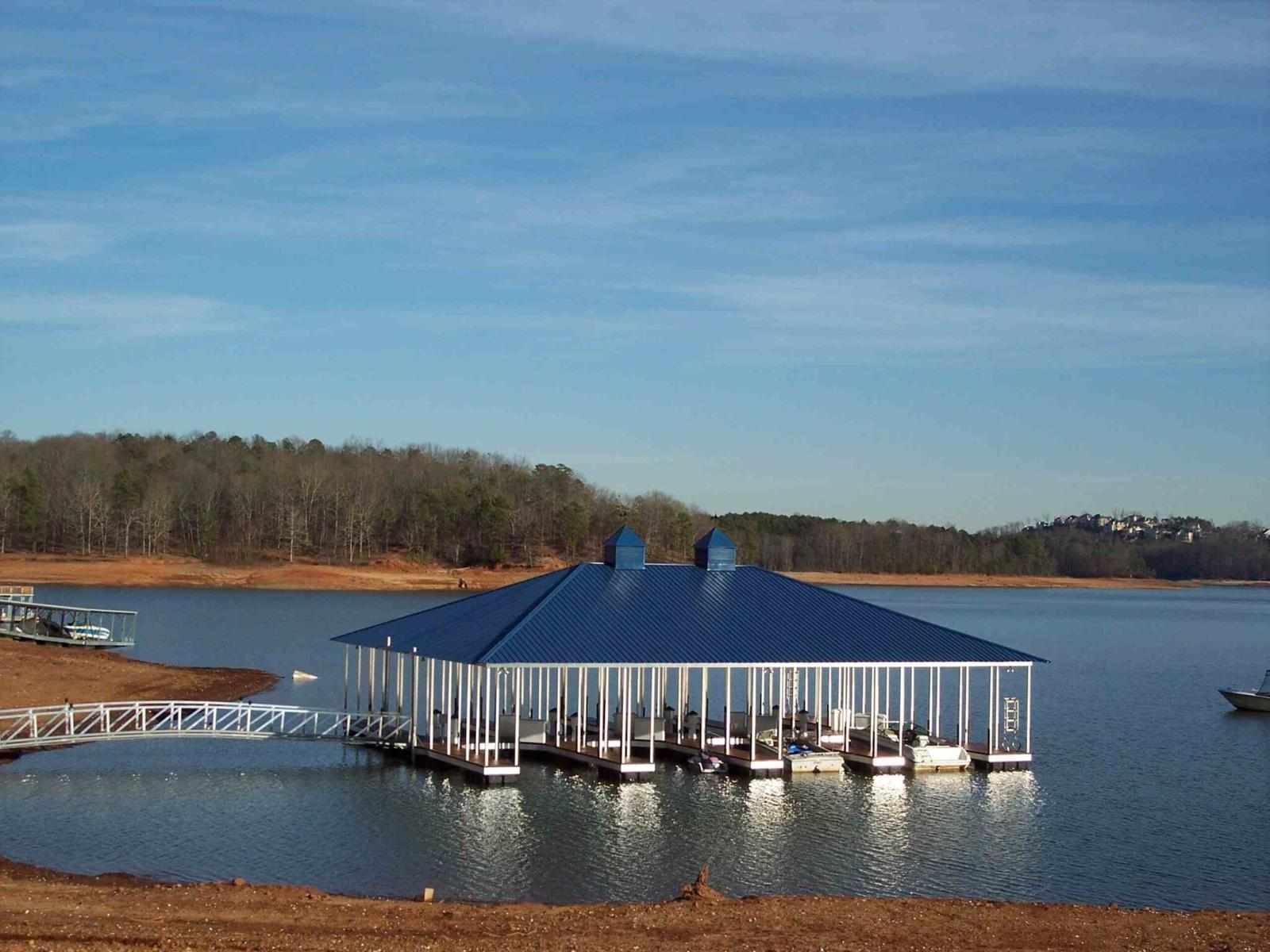
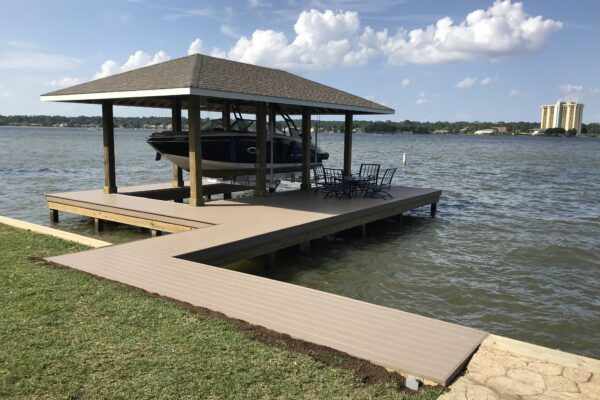
Still another crucial factor is roof design. In colder climates, a slanted or pitched roof not only promotes water drainage but also helps to lessen snow buildup, therefore reducing the structural stress. The selected roofing materials—metal panels, shingles, or membrane roofing—should accentuate the general architectural objectives for longevity and upkeep.
Including bracing, cross members, and strengthened connections strengthens the structural integrity and aids in resistance against lateral stresses generated by waves or wind. Appropriately designed boathouses follow local building norms and maritime construction guidelines, thereby guaranteeing a dependability and safety over their lifetime.
Against Moisture and Water Protection
Boathouses are at the junction of land and water, hence minimizing water intrusion and moisture damage is critical. If not properly regulated, water exposure can lead to corrosion, mold development, and structural degradation. Good waterproofing techniques follow the foundation and run all around the building envelope.
One simple but fundamental way to reduce flooding concerns is to raise the boathouse floor above the greatest anticipated water level. Around the boathouse, sealing joints, employing water-resistant barriers, and building appropriate drainage systems help to prevent water from accumulating or seeping into important locations. Especially in enclosed areas, ventilation is especially crucial to lower humidity and condensation inside the construction.
In places like slips or docks connected into the boathouse where boats are kept straight in the water, the materials and finishes must be marine-grade and especially meant to resist continuous contact to moisture and organisms like algae or barnacles. Maintenance of these parts and routine inspections help to prolong the boathouse's service life.
Functional Design and Effective Layout
Beyond only structural issues, the boathouse's design and layout affect its lifetime and usability. Enough room for boat navigation, accessory storage, and equipment handling lowers wear and stress on the vessel and the structure. Including strong, corrosion-resistant hardware and fittings helps to minimize maintenance and guarantees flawless functioning.
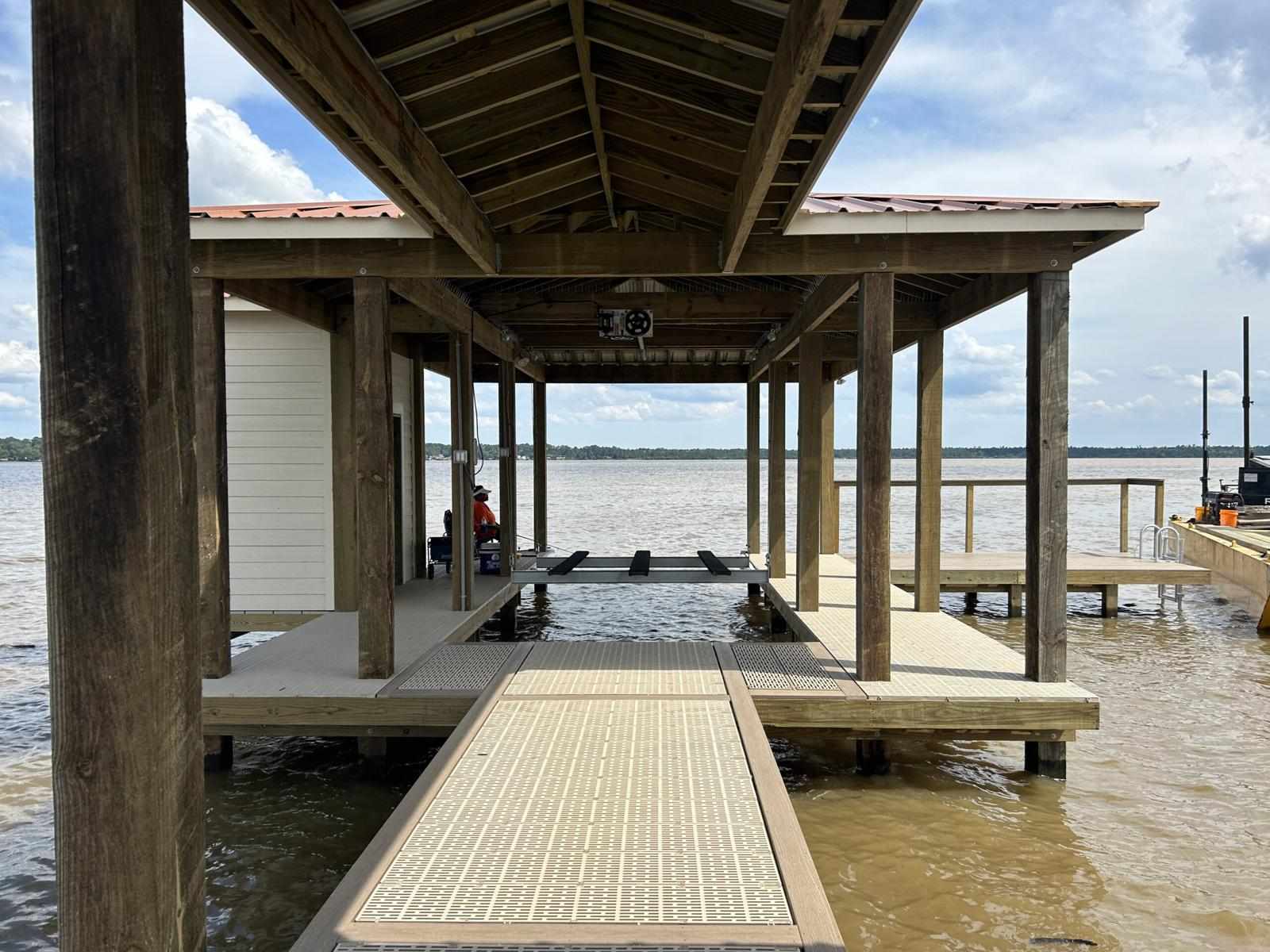
Accessibility—that is, ramps, docks, or lifts—improves safety and convenience. Well-planned lighting, electrical outlets, and ventilation increase comfort and utility, therefore transforming the boathouse from a mere shelter to a useful addition.
A careful design also considers future changes or extension. Modular building methods or flexible frameworks let owners fit the boathouse to changing needs, therefore guaranteeing long-term satisfaction and value.
At last
Boat house building calls for a complete approach combining environmental awareness, strong material choice, engineered structural design, efficient moisture control, and functional layout. By giving these important factors top priority, you can create a boathouse that not only shields your watercraft but also resists the demands of time and environment.
Partnering with experienced builders like Dream Boat Docks ensures that every aspect of construction is handled with precision and care. Investing in excellent building guarantees that your boathouse stays a dependable, valued addition to your property for many years to come, regardless of your intended use—a basic shelter or a sophisticated waterfront getaway. Giving these structural elements top priority during the design and constructing process will let you enjoy the full advantages of your boathouse investment—as well as peace of mind—with the trusted expertise of Dream Boat Docks.


Write a comment ...