
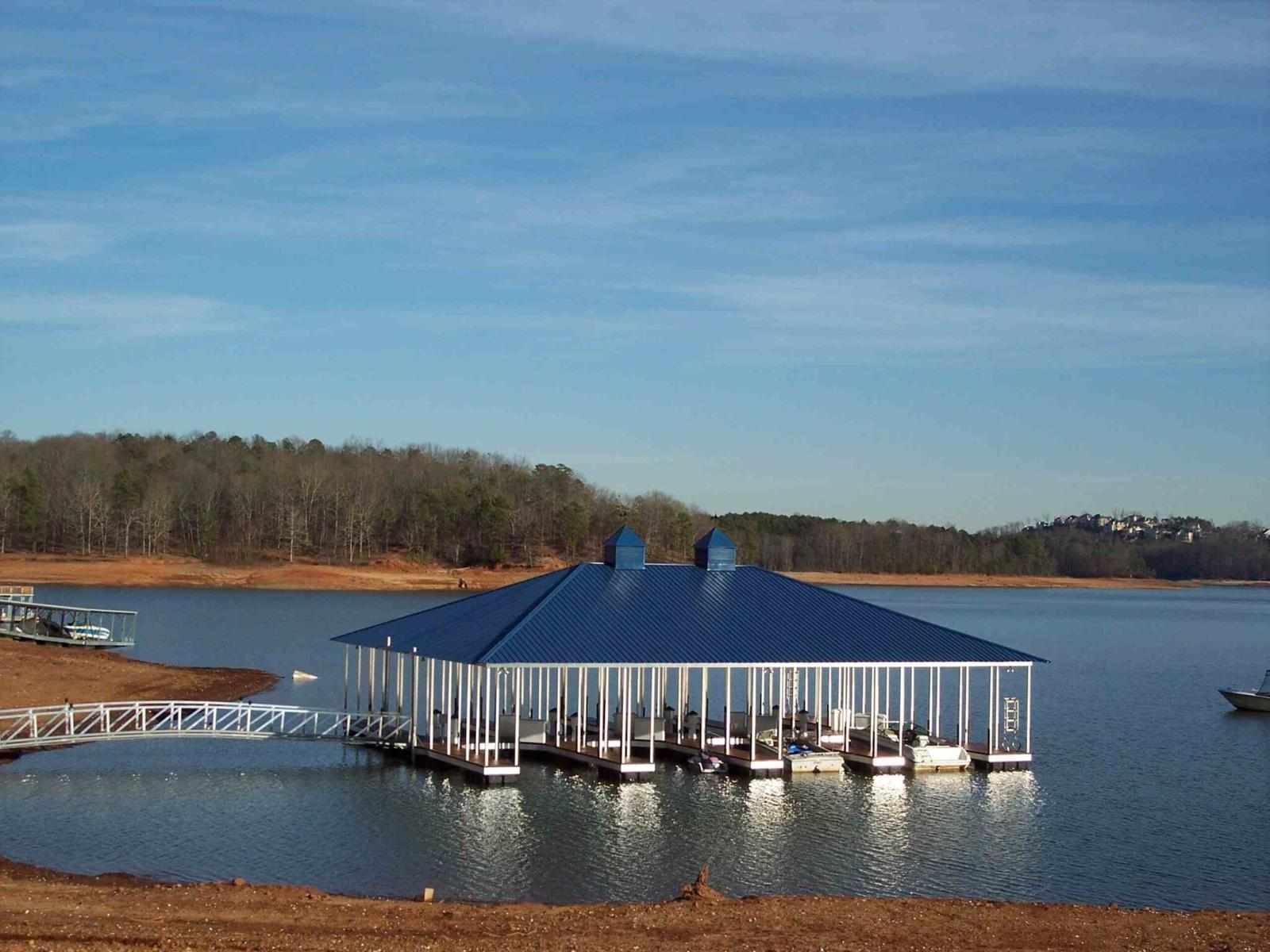
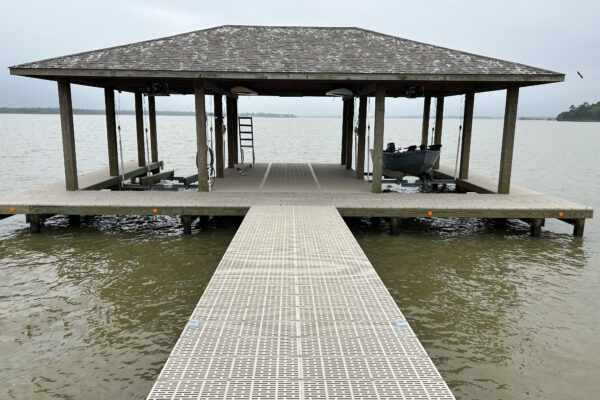
Floating docks have become one of the most practical choices for waterfront property owners, and for good reason. Unlike fixed structures, floating docks rise and fall with the water. That simple feature alone solves a lot of headaches. If you’ve ever dealt with seasonal water changes, flooding, or unpredictable shoreline conditions, you already know how valuable flexibility is.
These dock systems are built on buoyant platforms, typically supported by sealed floats or drums underneath a strong deck frame. The result is a stable, usable surface that adjusts naturally as conditions shift. You don’t have to keep modifying height or worrying about accessibility after every weather change.
Another benefit people often overlook is comfort. Because floating docks sit closer to the water, they’re easier to step onto from a boat or kayak. That makes boarding safer and less awkward, especially for kids and older family members. It also makes launching small watercraft a whole lot simpler.
Maintenance is usually more straightforward too. Individual sections can be repaired or replaced without tearing out the entire structure. That saves both time and money over the long run. Modern materials also resist rot, corrosion, and UV damage better than older dock builds.
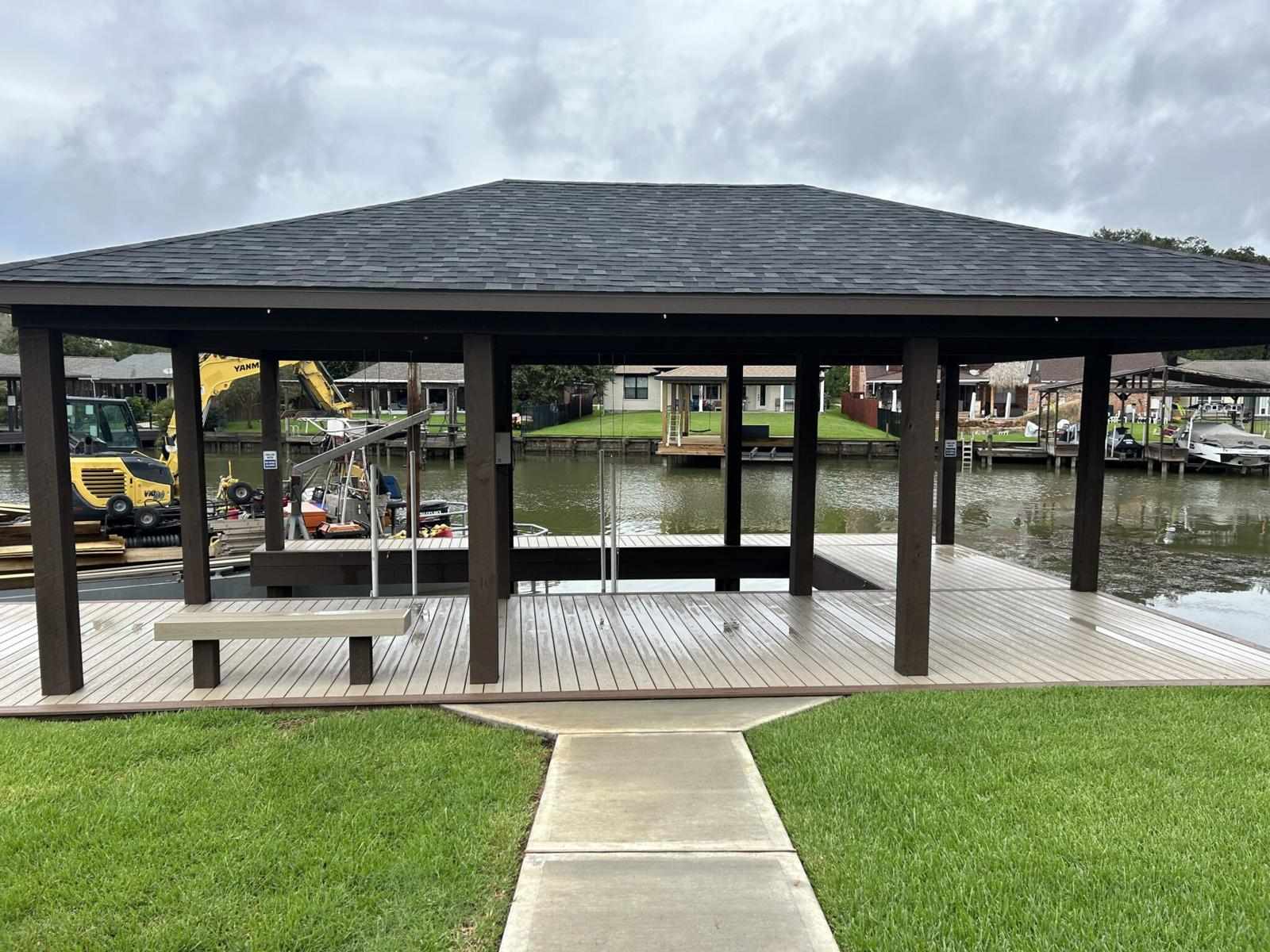
Floating docks are also highly customizable. You can add slips, ramps, benches, cleats, and storage without redesigning the whole layout. Whether it’s for a private shoreline or a busy marina, modular design makes expansion easier later.
If your shoreline conditions change throughout the year, or you just want something more adaptable, floating docks are often the most practical long-term investment.




Write a comment ...